
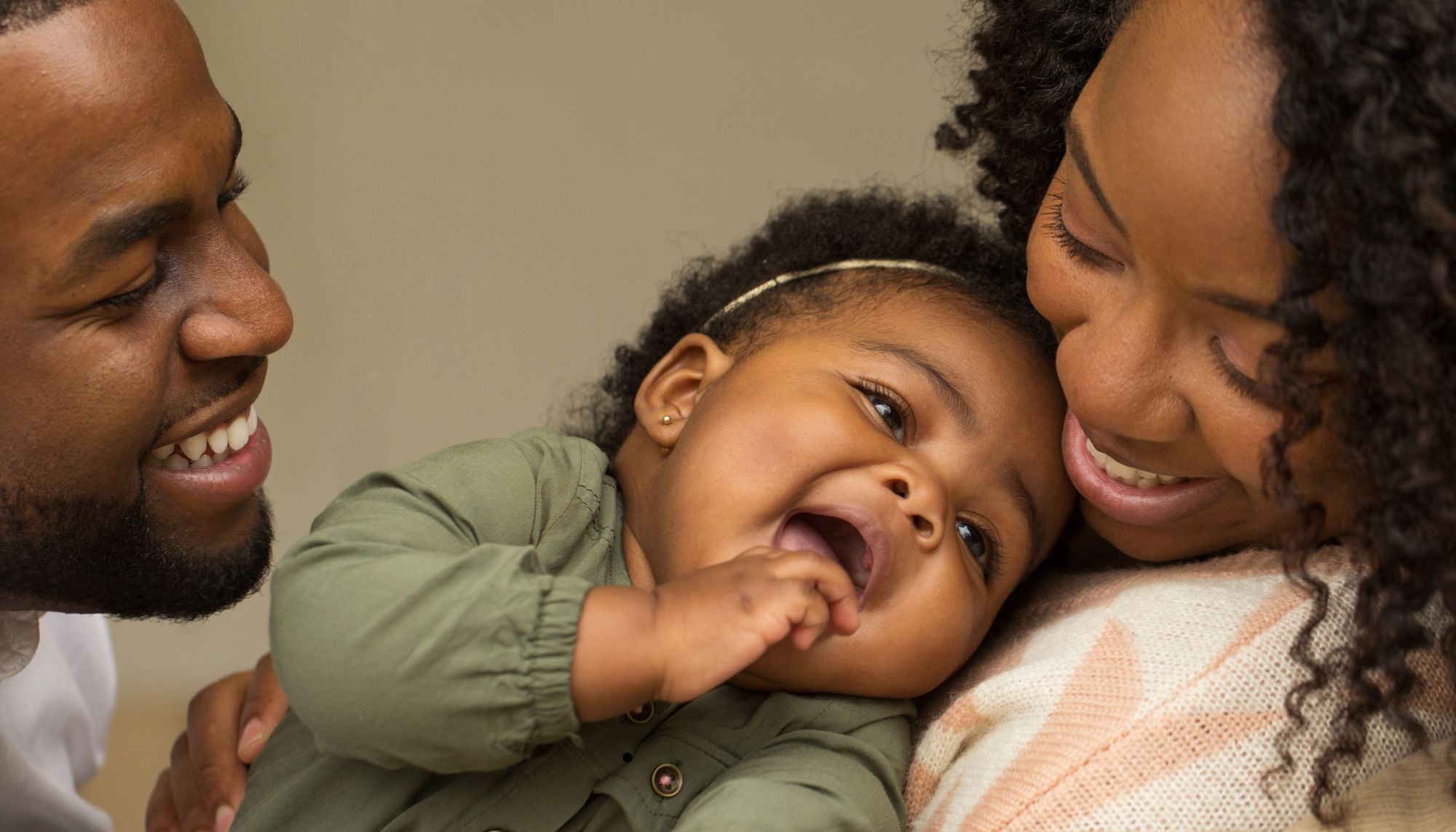
If you have been researching gentle sleep training methods, you are possibly looking for an approach that feels supportive and aligned with your parenting style. Many parents want to help their baby sleep better without feeling pressured to ignore their baby’s emotions or rush the process. The good news is that independent sleep and connection can absolutely go hand in hand!
In this guide, I will walk through some of the most common gentle sleep training methods. I will discuss how they work, their pros and challenges, and how to decide which approach may be the right fit for your family. Whether you are dealing with frequent night wakings, short naps, bedtime battles, or sleep regressions, gentle sleep training methods can help create more restful nights while nurturing parent-child connection.
What Is Gentle Sleep Training?
Gentle sleep training is an approach to helping babies learn healthy sleep habits while staying connected, responsive, and emotionally supported. Instead of focusing on quick fixes or leaving a baby to “figure it out” alone, gentle sleep training gradually teaches independent sleep skills in a way that feels safe and manageable for both baby and parent.
At its core, gentle sleep training is about balance. It supports connection by allowing parents to respond to their baby’s needs, while also encouraging independence over time. This often looks like staying present at bedtime, offering comfort when needed, and slowly reducing sleep support as your baby becomes more confident falling asleep on their own. You may learn more about it in my ultimate guide 📖 Gentle Baby Sleep Training: All You Need To Know.
Is Gentle Sleep Training Effective?
Gentle sleep training can be very effective when it is done with consistency, patience, and realistic expectations. The key is not how “intensive” the approach feels, but how consistently it is applied over time. Babies learn through repetition. Even small, gentle changes add up when they are practiced in the same way each day and night.
Sleep skills are not learned overnight. Babies gradually build the ability to fall asleep independently, just like any other developmental skill. This means progress often comes in small steps—such as shorter settling time, fewer night wakings, or easier returns to sleep—before longer stretches of rest become consistent.
Because of this gradual learning process, it’s important to have realistic expectations. Gentle sleep training is not a quick fix, and progress is rarely linear. Some nights will feel smoother than others, especially during developmental leaps, teething, or schedule changes. However, with consistency, most families begin to see meaningful improvements over time.
When Can You Start Gentle Sleep Training?
Gentle sleep training can typically begin once your baby is developmentally ready, often around 4 to 6 months of age. At this stage, many babies are capable of longer stretches of sleep and can start learning foundational independent sleep skills, though every baby develops at their own pace.
Signs your baby may be ready include more predictable sleep patterns, the ability to stay awake for age-appropriate wake windows, and showing the capacity to self-soothe in small ways. It can also be helpful if feeding needs are well established and your pediatrician has no concerns about growth or development.
If you’re unsure whether your baby is ready, you can explore more guidance in my article on 📖 When to Start Baby Sleep Training to help you choose the right timing for your family.
Why Gentle Sleep Training Methods Works
Gentle sleep training methods focus on teaching sleep skills in a responsive, supportive way.
Instead of sudden changes, they build independence gradually, reduce sleep associations step by step and create predictability through routines. Gentle methods support your baby through the learning process. This approach is especially helpful for babies who are more sensitive or slower to adapt to change.
✨Pick Up/Put Down Sleep Training Method
The Pick Up Put Down method is a gentle sleep training approach where you comfort your baby by picking them up when they are upset and placing them back down once they are calm. The goal is to provide reassurance without fully helping them fall asleep in your arms. Over time, your baby begins to associate the crib with sleep while still feeling supported by your presence and comfort.
This process often involves repetition—lots of picking up, calming, and putting down—especially in the beginning. The focus is on responding to your baby while gradually encouraging them to settle in their sleep space.
Pros of Pick Up Put Down
One of the biggest benefits of this method is that it keeps you very responsive to your baby’s emotions. It can feel reassuring for parents who are not comfortable with more hands-off approaches. It also provides consistent comfort, which can help reduce anxiety for babies who struggle with separation.
Another advantage is that it supports independent sleep without removing parental presence entirely, making it feel like a balanced middle ground for many families.
Challenges to Expect
This method can be physically and emotionally demanding, especially during bedtime or night wakings when repetition is frequent. Some babies may become more stimulated by being picked up repeatedly, which can make it harder for them to settle.
It can also take time before you see clear progress, so consistency and patience are important. For some families, the process may feel slower compared to other gentle methods.
More details: 👉🏼What is Pick Up Put Down Sleep Training Method.
✨Gradual Withdrawal (Chair Method)
The Chair Method involves placing a chair next to your baby’s crib at bedtime and staying present while they fall asleep. Over time, you gradually move the chair further away from the crib until your baby is able to fall asleep independently without your presence in the room.
You may offer verbal reassurance, gentle touch, or simply your calm presence, depending on what your baby needs. The key is that your support slowly decreases in a step-by-step way.
Why Parents Often Choose This Method
Many parents are drawn to the Chair Method because it allows them to stay physically present while still moving toward independent sleep. It can feel more emotionally comfortable than leaving the room entirely, especially for babies who are sensitive or easily distressed.
It also provides a clear structure for gradual progress, which can help parents feel more confident and consistent throughout the process.
Common Challenges With the Chair Method
One common challenge is that babies may become very dependent on your presence at first, which can make it harder when you begin moving the chair away. Some babies may also protest more during transitions between stages.
Another challenge is that the process can take time and requires consistency. If the chair position changes too quickly or inconsistently, progress may slow down.
MORE: 👉🏼Chair Sleep Training Method: A Gentle Approach To Better Sleep.
✨Camping Out Method
The Camping Out method is a gentle sleep training approach where you stay in your baby’s room as they fall asleep, offering your presence as reassurance without actively helping them to sleep. This might look like sitting nearby, offering occasional soothing words, or simply being a calm, steady presence while your baby learns to settle in their crib. The goal is not to intervene constantly, but to let your baby practice falling asleep while still knowing you are close by.
Gradually Reducing Support
Over time, your involvement is slowly reduced. This may mean moving from sitting right next to the crib to gradually increasing the distance between you and your baby’s sleep space. Eventually, you transition out of the room altogether once your baby is able to fall asleep more independently. Each step is meant to be small and predictable so your baby can adjust without feeling overwhelmed.
When This Method Works Best
Camping Out often works well for babies who are highly sensitive to separation or who become easily upset when a parent leaves the room. It can also be a good fit for parents who prefer to stay physically present during the sleep learning process. This method tends to work best when families can stay consistent and move gradually through each stage without rushing the process.
✨ Fading Method
Sleep fading is a gentle sleep training method that involves gradually reducing the amount of help your baby needs to fall asleep. Instead of making a sudden change, you slowly “fade out” sleep associations such as rocking, feeding, or holding until your baby is able to fall asleep more independently. The changes are subtle and incremental, making this approach feel very gradual for both parent and baby.
Bedtime Fading vs Support Fading
There are two common ways sleep fading is used. Bedtime fading focuses on adjusting the time your baby is put down for sleep so they are more naturally ready to fall asleep with less resistance. Support fading, on the other hand, focuses on slowly reducing the level of help you provide at bedtime—such as shortening rocking time or decreasing feeding to sleep. Both approaches aim to reduce sleep dependency in a gentle, step-by-step way.
Why This Can Feel Very Gentle for Families
Sleep fading often feels gentle because it does not require immediate changes or high levels of distress. Instead, it works with your baby’s current sleep habits and gradually shifts them over time. For many families, this method feels less overwhelming because progress is built slowly and predictably, allowing both parent and baby to adjust at a comfortable pace.
Why Gentle Sleep Training Methods Sometimes Don’t Work
If a gentle approach hasn’t worked for you, it’s usually not the method itself.
Common reasons include: an unbalanced schedule (over- or undertired baby), inconsistency in responses, using a method that doesn’t fit your baby’s temperament or expecting fast results from a gradual approach.
Gentle methods are effective — but they need to be intentional and tailored.
You may find this useful: 💡Baby Sleep Training Without Cry It Out: Is it really possible?
What You Can Do Starting Today
Focus on your baby’s schedule first by ensuring their day is balanced and age-appropriate, as this sets the foundation for better sleep. From there, create a simple and consistent bedtime routine that signals to your baby that sleep is coming. When it comes to sleep training, choose one method that aligns with your parenting style and stick with it, as consistency is key. Most importantly, give your baby time to learn—sleep is a skill, and with patience and repetition, they will gradually build confidence and independence.
Consistency matters more than perfection.
When To Get Baby Sleep Support
If sleep still feels overwhelming, support can make a big difference.
A personalized plan can help you understand why your baby is waking, choose the right gentle sleep method, and give you the tools to move forward with clarity and confidence.
You don’t have to navigate the guessing, second-guessing, or confusion alone. At Baby Sleep Pros, I specialize in supporting parents through this process so they can feel more confident, supported, and equipped to guide their baby toward better sleep in a gentle and responsive way.


Frequently Asked Gentle Baby Sleep Training Questions
❓Is gentle sleep training effective?
Yes. Gentle sleep training methods are highly effective when applied consistently and paired with the right schedule. They may take a bit longer than more direct approaches, but they create lasting results.
❓Do gentle sleep training methods involve crying?
There may still be some tears. However, the key difference is that you remain present and responsive. You support your baby through the process – they learn that even though things around them change, your presence does not.
❓How long do gentle sleep training methods take?
It depends on your baby’s age, temperament, and consistency. Most families start seeing improvements within days or 1–2 weeks, with continued progress over time.
❓What is the gentlest sleep training method?
Methods like pick-up/put-down, shush & pat, and gradual withdrawal are considered among the gentlest because they prioritize responsiveness and closeness.
❓Can I use gentle sleep training for newborns?
Newborns are not ready for formal sleep training, but you can begin laying the foundation with routines, wake windows, and gentle soothing techniques.
If you’re ready for a clear, step-by-step plan that aligns with your values, I’d love to support you. At Baby Sleep Pros, I help families create calm, connected sleep — without leaving babies to cry alone but helping them realize sleep is something they can trust.
Many families search for gentle sleep training methods that don’t involve cry-it-out, and the good news is — those options do exist. Gentle sleep training methods aren’t about doing less — they’re about being intentional, responsive, and consistent. You’re not just helping your baby sleep better. You’re helping them feel safe as they learn a lifelong skill.
Restfully,
