
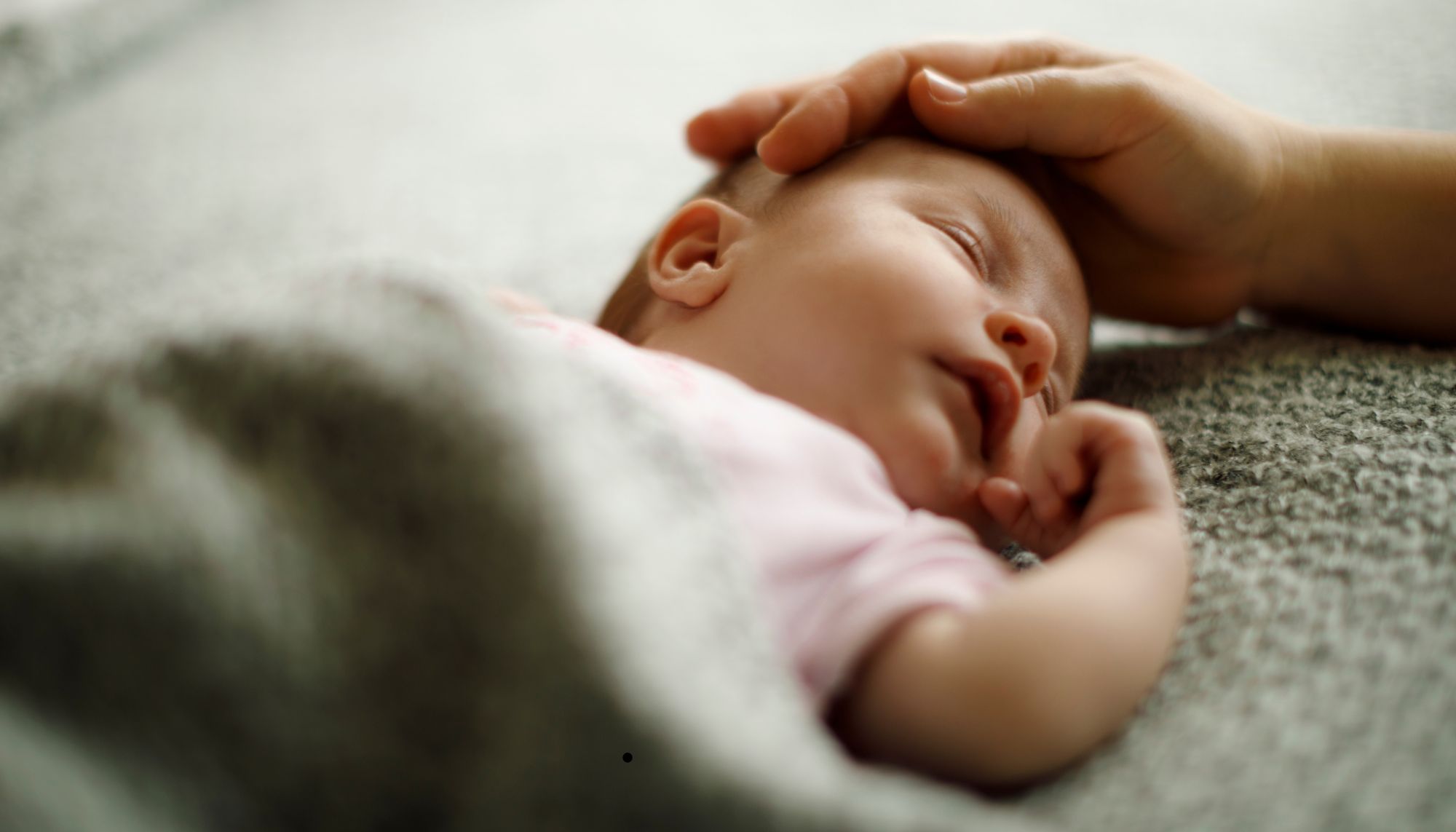
If you’re considering gentle sleep training, one of the first questions you probably have is: how long will this take? And honestly, that’s completely understandable. When you’re exhausted, waking multiple times a night, and running on very little sleep, you want to know when things will start feeling easier. The good news is that gentle sleep training can absolutely be effective without leaving your baby to cry alone. But unlike quick-fix approaches, gentle methods focus on gradual, supported change — which means progress often happens step by step. How long does gentle sleep training take, then? In this blog, I will walk you through appropriate timelines, what affects progress, and what you can truly expect along the way.
💤 What Is Gentle Sleep Training?
Gentle sleep training is a responsive, connection-based approach to helping your baby learn independent sleep skills while still feeling supported along the way. Unlike cry it out methods, gentle sleep training does not focus on leaving your baby alone to cry without comfort. Instead, it uses gradual changes, consistency, and reassurance to help sleep feel safe and predictable. The goal is not perfection overnight, but steady progress that supports both your baby’s emotional needs and your family’s sleep.
If you’d like to learn more about the different approaches used in gentle sleep training, you can also read my article on Gentle Sleep Training Methods for Babies.
So… How Long Does Gentle Sleep Training Take?
One of the most important things to understand about gentle sleep training is that progress usually happens gradually. Many families start noticing small improvements within the first 3–5 days, such as easier bedtimes, slightly longer stretches of sleep, or less support needed to fall asleep. More noticeable progress often happens within 1–2 weeks as your baby begins adjusting to new sleep habits and routines.
Factors like your baby’s age, temperament, current sleep associations, daytime schedule, and overall consistency all play a big role in how quickly progress happens. Gentle sleep training is less about fast results and more about creating lasting, supported changes that feel manageable for both baby and parent.
What Affects How Fast Gentle Sleep Training Works?
Several key factors influence how quickly your baby will adjust. One of the biggest factors is sleep associations, such as nursing, rocking, or contact sleeping, since babies who rely heavily on these may need more time to learn new ways of falling asleep. Age also plays a role, as younger babies are still developing sleep rhythms, while older babies may be more set in their habits. Daytime schedule consistency is another major piece—when naps and wake windows are balanced, nights often improve faster. Parental consistency matters just as much. Small, steady responses each night tend to lead to quicker progress than frequent changes in approach. Finally, temperament can influence the pace, with some babies adapting more easily while others need extra time and support.
If you’re noticing frequent night wakings, you may also find it helpful to read Why Your Baby Wakes Up Every 2 Hours to better understand what’s happening overnight.
What Progress Actually Looks Like
When gentle sleep training starts working, it doesn’t usually look like an overnight transformation—it shows up in small, meaningful shifts. One of the first signs is often fewer night wakings, though it’s important to remember this doesn’t always mean zero wakings right away.
Bedtime also tends to get easier, with less resistance and a smoother settling process over time. Many parents notice they’re spending less time soothing their baby to sleep, even if some support is still needed. Gradually, naps may also become more predictable and more consistent, which often helps the whole day feel more balanced.
Progress in gentle sleep training is subtle at first, but it builds steadily when consistency is in place.
What If You’re Not Seeing Progress?
Sleep training is multifaceted. If things are not improving right away, that doesn’t mean gentle sleep training isn’t working. It usually means something in the setup needs a small adjustment. In most cases, it comes down to inconsistency in how sleep support is being offered. Overtiredness is another common factor, since babies who are pushed past their ideal wake windows often struggle to settle and stay asleep. Inadequate schedule can also play a big role, especially if naps, wake windows, or bedtime timing aren’t aligned with your baby’s current sleep needs. Instead of feeling like you need to “start over,” this is usually a sign to gently tweak your approach and refine the routine. Small, thoughtful adjustments are often what unlock progress in gentle sleep training.
Gentle Sleep Training vs Cry It Out
Cry it out (CIO) methods involve periods of higher distress with limited or no in-the-moment comfort. Gentle sleep training, on the other hand, tends to take a bit longer because changes are introduced gradually, but the process is much more responsive and supportive for both baby and parent. Instead of focusing on quick results, gentle approaches prioritize connection, consistency, and helping your baby feel safe as they learn new sleep skills.
If you wish to explore this topic more, you can do so here: Baby Sleep Training Without Cry It Out: Is It Really Possible?
If You Feel Overwhelmed or Defeated With Your Baby’s Sleep Struggles
At Baby Sleep Pros, I offer personalized, gentle sleep support for families who want better sleep without leaving their baby to cry it out. My approach is responsive, connection-based, and tailored to your baby’s unique needs, your parenting style, and your family’s goals. Whether you need help with night wakings, short naps, bedtime struggles, or creating a full sleep plan, I provide step-by-step guidance and ongoing support so you never feel stuck or alone in the process.


Frequently Asked Questions
❓How long does gentle sleep training usually take?
Typically 2–4 weeks for consistent results, but small improvements can appear within a few days.
❓Can gentle sleep training work in just one week?
You may see progress in a week, but full stabilization usually takes longer depending on sleep habits.
❓Does gentle sleep training work for all babies?
Yes, but the timeline varies based on age, temperament, and sleep associations.
❓What if gentle sleep training isn’t working?
Often it means adjustments are needed in schedule, consistency, or approach—not that it isn’t working.
How Long Does Gentle Sleep Training Take? There is no perfect timeline when it comes to gentle sleep training. This is something worth holding onto as you go through the process. Every baby moves at their own pace, and progress often happens in layers rather than all at once. Instead of focusing on a strict deadline, trust your baby’s cues and the small signs of change you start to see along the way. In most cases, consistency will take you much further than intensity ever will! Steady, supportive steps will create the most lasting results.
Restfully,
