Posted on Leave a comment

Baby Sleep Traveling Essentials from Pediatric Sleep Coach

My Favorite Sleep Essentials When Traveling with a Baby

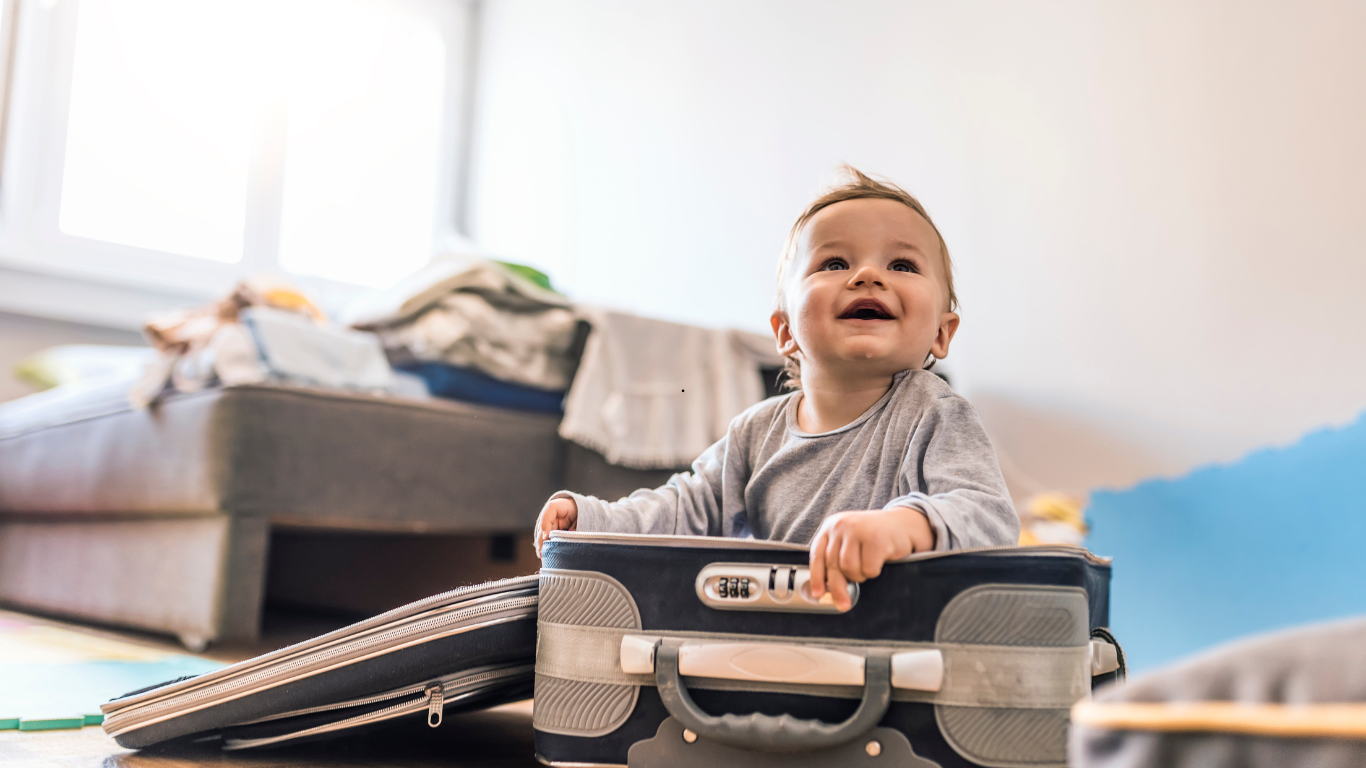
Travels with a baby can be both exciting and daunting, especially when it comes to maintaining their sleep routines. As a Pediatric Sleep Consultant & founder of Baby Sleep Pros, I’ve worked with countless families to ensure their little ones sleep soundly, whether at home or away. While traveling disrupts routines, the right preparation can help your baby (and you!) get the rest you need. Here, I’m sharing my favorite baby sleep traveling essentials and tips to make your next trip more restful.

The Importance of Routine for Baby Sleep

Babies thrive on consistency, and their sleep is no exception. Routine provides a sense of security, reduces anxiety and helps regulate your baby’s internal clock, even when you’re in a new environment. Before traveling, try to maintain your baby’s typical sleep schedule as much as possible. If you’re crossing time zones, gradually try to adjust their schedule a few days before your trip.

Keep your bedtime routine consistent. Whether you’re at home or in a hotel, following familiar steps—like a bath, a lullaby, or cuddles—signals to your baby that it’s time to sleep. Even a shortened version of your routine can be effective while on the go.

Baby Sleep Travel Essentials

Having the right tools can make all the difference in helping your newborn or infant sleep soundly while traveling. Here are my top picks:

1. Portable Blackout Curtains

A dark sleep environment is key for promoting melatonin production, the hormone that helps your baby fall and stay asleep. Portable blackout curtains are lightweight and easy to pack, making them a must-have for hotel rooms or vacation rentals that don’t have adequate window coverings.

Here is a blackout shade example for less than $25: Portable Blackout Curtain Shade with Suction Cups. (I do not receive commission for your purchase.)

2. White Noise Machine

Unfamiliar noises in a new environment can be disruptive, especially for light sleepers. A portable white noise machine can help drown out sounds and create a consistent, soothing backdrop for sleep. Many models are compact, rechargeable, and perfect for travel. No need to purchase a new one for your trip – the one you have at home will suffice, unless you are going abroad where outlets are different, then I would invest into a chargeable one with USB.

3. Travel Crib or Bassinet

Providing your baby with a familiar and safe sleep space is crucial. Many travel cribs and bassinets are lightweight, easy to set up, and meet safety standards. Bring along a fitted sheet your baby is used to for added comfort.

4. Wearable Blanket or Sleep Sack

Maintaining a consistent sleep environment includes using the same type of bedding or sleepwear. A familiar sleep sack ensures your baby stays warm and comfortable without the risks associated with loose blankets.

5. Favorite Lovey or Comfort Item

If your baby has a favorite lovey (and it’s safe for sleep), bring it along to provide a sense of familiarity and comfort. Just be sure to pack a backup in case it gets misplaced!

6. On-the-Go Sunshade or Stroller Cover

Daytime naps can be tricky while traveling. An adjustable sunshade or stroller cover can help block out distractions and create a cozy nap space on the move.

Adapting Sleep While Traveling

Even with the best preparation, travel often brings unexpected challenges. Flexibility is key, but that doesn’t mean throwing all your hard-earned sleep habits out the window.

Stick to a Routine Whenever Possible

While some disruption is inevitable, aim to keep naps and bedtime as close to your baby’s normal schedule as possible. If naps happen in the car or stroller, that’s okay—just try to offer at least one nap in a stationary sleep space each day.

Create a Familiar Sleep Environment

Recreating your baby’s sleep environment while traveling can ease the transition. Use your portable blackout curtains, white noise machine, and familiar bedding to make the new space feel like home.

Responsive Sleep Training While Traveling

If your baby struggles to settle in a new environment, this is where responsive sleep training comes in. Responsive sleep training focuses on meeting your baby’s unique needs while gently guiding them toward independent sleep. This approach is especially helpful during travel, as it prioritizes flexibility and connection without sacrificing sleep.

At Baby Sleep Pros, I help parents implement responsive sleep training techniques that work, whether you’re at home or on the road. If you’re looking for personalized support, I’m here to help you navigate these transitions with confidence.

newborn infant sleep support sleep expert

Preparing for the Trip

Plan for Downtime

It’s tempting to pack your itinerary with activities, but overstimulation can lead to an overtired baby. As much as possible, build in time for naps and quiet breaks to help your little one recharge.

Pack Strategically

Make a checklist of your baby sleep traveling essentials to ensure you don’t forget anything. Include items like the white noise machine, blackout curtains, sleep sack, and travel crib, along with backups for critical items like pacifiers or loveys.

Adjust Expectations

Being on a trip with a baby often requires a slower pace and added flexibility. While it’s important to prioritize sleep, it’s also okay to embrace the occasional deviation from your normal routine.

How Baby Sleep Pros Can Help

When you travel with a newborn or infant – it doesn’t have to be stressful. With the right preparation and tools, you can enjoy your trip while helping your baby get the rest they need.

At Baby Sleep Pros, I specialize in helping parents create personalized sleep plans that adapt to your family’s unique needs. Whether you’re preparing for your first trip with a baby or struggling with sleep transitions, I’m here to provide guidance and support. My virtual and in-home consulting services include:

🌙 Sleep Training Support: Learn responsive techniques to foster independent sleep while maintaining a strong bond.

🌙 Travel Sleep Planning: Get customized strategies to prepare your baby for travel and maintain healthy sleep habits on the go.

🌙 Ongoing Coaching: Receive ongoing guidance to navigate sleep challenges and milestones as your baby grows.

Ready to make sleep a priority, no matter where you are? Let’s work together to bring balance to your family’s travel experiences and beyond.

Enjoy Your Family Time ❤️

Traveling with a baby can feel overwhelming, but with the right baby sleep traveling essentials and strategies, you can enjoy your journey without sacrificing rest. Remember to prioritize routine, pack strategically, and lean on tools like blackout curtains, white noise machines, and travel cribs to create a sleep-friendly environment.

If you’re feeling unsure about how to approach baby sleep while traveling—or sleep in general—I’d love to help. I’m passionate about equipping families with the knowledge and support they need to thrive, whether at home or on the go.

Happy travels and sweet dreams!

Pediatric Sleep Consultant Blog: Baby & Toddler Sleep Training
Posted on Leave a comment

Top 5 Reasons Babies Wake Up At Night

Top 5 Reasons Babies Wake Up At Night

One of the most common challenges parents face is figuring reasons their babies wakes up at night. While it’s completely normal for babies to wake during the night, frequent or extended wake-ups can be exhausting for the whole family. Understanding the reasons behind these night wakings is the first step toward better sleep for your baby—and you! As a multiyear experienced Pediatric Sleep Consultant and founder of Baby Sleep Pros, I specialize in helping families navigate these challenges with empathy and expertise. Let’s dive into the top five reasons babies wake up at night and explore solutions to promote peaceful, restorative sleep.

1. Hunger

For newborns and young infants, hunger is the most common reason for night wakings. Due to their small stomach and inability to consolidate their caloric intake during the day, babies require frequent feedings, which is developmentally appropriate in the early months. However, as babies grow, they can often go longer stretches without needing to eat at night. Very frequently, night feedings become sleep associations (babies use it as a crutch to fall asleep) which makes it harder for parents to tell whether they still need that feeding or it is just a sleep prop.

How to Fix It:

✨ Ensure your baby is getting enough calories during the day, from both milk and solids, if they are at that age. Offering regular, full feedings during the day can help reduce the need for nighttime snacks.

✨ Gradually fade night feedings by delaying it at night at small increments – if your baby is really hungry they will keep protesting and if it is just a comfort or sleep prop, they are not going to work this hard for a feeding and will go back to sleep.

✨ Remember, every baby is different. If you’re unsure whether your baby is ready to drop night feeds, consult your pediatrician.

2. Sleep Associations

Sleep associations are #1 reason babies wake up at night. Also known as a sleep prop, sleep association is something a baby uses to fall asleep and connect sleep cycles at night., e.g. feeding, rocking, pacifier, motion. Why are sleep props a problem? A baby requires that particular environment to be recreated every time they wake up at night. Sometimes, it is every sleep cycle which can be plain EXHAUSTING for parents and the baby because no one will wake up rested and happy.

How to Fix It:

✨ Teach your baby to fall asleep independently by gently transitioning away from these sleep associations. This doesn’t mean leaving your baby to cry; it means introducing techniques that encourage self-soothing.

✨ Use gradual methods to reduce dependency on external sleep aids. For instance, if your baby needs to be rocked, you can rock them less intensely over time until they no longer need it.

At Baby Sleep Pros, I specialize in guiding families through this process with approaches tailored to your baby’s temperament and your family’s goals.

🌙 SLEEP SUPPORT DETAILS – CLICK HERE🌙

newborn infant sleep support sleep expert

3. Developmental Milestones

Babies experience rapid development in their first year, including rolling, sitting up, crawling, and standing. These milestones are exciting but can disrupt sleep as your baby practices new skills or processes changes in their growing brain.

How to Fix It:

🌙 Be patient and provide extra support during these phases. Your baby’s disrupted sleep is often temporary.

🌙 Allow your baby plenty of time to practice new skills during the day. This helps them master these abilities and reduces the need for nighttime practice.

🌙 Stick to your bedtime routine and be consistent with sleep practices to provide stability during this period and avoid developing new habits.

4. Overtiredness

Contrary to popular belief, especially among grandparents ;), overtired babies don’t sleep better; they often sleep WORSE. When a baby is overtired, their body releases stress hormones like cortisol to help them stay awake, making it harder for them to fall, stay asleep or causing them to wake up very early.

How to Fix It:

🌙 Watch out for your baby’s SLEEPY CUES. (this link will take you to my very details IG post on sleepy cues!)

🌙It is always a great idea to watch a close eye on your baby’s wake windows which the amount of time they can comfortably stay awake between naps, will help prevent over tiredness.

🌙 Predictable daily routine can balance active playtime & rest.

🌙 Start your bedtime routine early enough to avoid an overtired state. A calming routine can include a warm bath, a story, and gentle cuddles.

5. Discomfort

Babies may wake at night due to discomfort from teething, illness, temperature changes, or even an uncomfortable sleep environment.

How to Fix It:

🌙 Ensure your baby’s sleep environment is conducive to good rest. Keep the room dark, quiet, and at a comfortable temperature (68-72°F is ideal) with a white noise on.

🌙 If your baby is teething, provide relief with a cold teething toy or consult your pediatrician about appropriate pain relief.

🌙 Address any signs of illness promptly and provide the care your baby needs to feel secure and comfortable – WHEN A BABY IS SICK, SLEEP TRAINING SHOULD PAUSE. Offer your love and comfort. Resume sleep training when baby is feeling better.

Why Independent Sleep Matters?

Teaching your baby to sleep independently is a gift. Independent sleep doesn’t just mean longer stretches of rest for your baby (and you); it also contributes to your baby’s growth, health & development. Babies who can self-soothe (not self-regulate) often adapt better to changes and transitions as they grow.

At Baby Sleep Pros, my approach is rooted in empathy and expertise. I understand that every baby is unique, and I create customized sleep plans to suit your child’s needs and your parenting style. Whether you’re navigating the newborn phase or addressing sleep challenges with an older infant, my AT-HOME and VIRTUAL services provide the guidance and support you need.

When to Seek Help?

If your baby’s night wakings persist despite your efforts, it might be time to seek professional support.

As a Pediatric Sleep Consultant, I’m here to help you understand your baby’s unique sleep patterns and guide them toward better rest.

By addressing the underlying reasons for your baby’s night wakings, you can make a change that will benefit the entire family. Sleep training isn’t about perfection; it’s about progress and balance. With the right approach, you can achieve the restful nights you’ve been dreaming of.

Ready to take the first step? Contact me today to learn more about how I can help your baby (and you) sleep better!

TO THE BALANCE YOUR FAMILY DESERVES,

Pediatric Sleep Consultant Blog: Baby & Toddler Sleep Training
Posted on Leave a comment

Sleep Training Myths Disproved by Pediatric Sleep Consultant

5 Sleep Training Myths Disproved by Pediatric Sleep Consultant

When it comes to sleep training, there’s no shortage of advice and opinions. Despite great evidence, many myths and misconceptions still surround sleep training, leaving parents confused or hesitant. As a certified pediatric sleep consultant, I’m here to put these myths to rest and explain the truth behind sleep training. By addressing these misconceptions, I hope to empower you with the right knowledge, alleviate your concerns & open your minds to start seeing sleep training as empowerment, not punishment.

Myth #1: Sleep Training Means Letting Your Baby “Cry-It-Out”

Perhaps the most recurring myth surrounding sleep training is that for majority of parents it equals letting your baby cry it out (CIO), which many parents have strong, negative feelings about.

While the CIO method is one approach and it may work for some, it’s FAR from the responsive approach I practice & advocate. It’s certainly not the only method known and used by pediatric sleep consultants.

TRUTH: There Are Many Methods, Some Of Which Allow Comforting Your Baby!

Sleep training is a broad term that refers to helping your child to sleep well.

There are numerous methods to choose from, depending on child’s temperament and parents’ parenting style. Methods like gradual sleep training, also known as the “fading” technique, involve slowly reducing your involvement in helping your baby fall asleep over time. There’s also the “pick-up, put-down” method, which allows you to soothe your baby while giving them the space to learn how to self-soothe.

Sleep training doesn’t have to be, and it shouldn’t one-size-fits-all approach. It’s about crafting a plan that matches your baby’s age & temperament, while teaching your baby how to fall asleep independently in a way that aligns with your values and comfort level.✨

Myth #2: Sleep Training Is Harmful to Babies

Some people believe that sleep training is harmful to a baby’s emotional or psychological wellness, suggesting that teaching a child to self-soothe means abandoning them to cope with stress alone.

I believe this misconceptions are based on a misunderstanding of both sleep training and infant development.

Truth: Sleep Training Encourages Independence & Contributes To Baby’s Health

Research indicates that babies who learn to self-soothe and sleep independently are not emotionally harmed. In fact, sleep training can help foster independence and confidence in your child by allowing them to develop healthy sleep habits. Babies who can sleep through the night without relying on external aids, like feeding or rocking, tend to be more well-rested, which is crucial for their physical, cognitive & emotional development.

sleep training methods: personalized newborn and infant sleep support

Myth #3: Sleep Training Should Start As Soon As Possible

Many new parents feel pressure to start sleep training their baby as early as possible, worried that delaying it could make the process more difficult later on. This leads some to believe that starting sleep training in the newborn stage is essential.

Truth: You cannot sleep train a newborn.

Establishing healthy sleep habits early on is important but I do not recommend formal sleep training until a baby is around 3 to 4 months old. This is because, in the early months, babies are still developing their circadian rhythms, sleep stages and need to eat frequently at night. Attempting something babies are developmentally ready for may lead to tears & unnecessarily drain both baby & parents.

Myth #4: Sleep training will ruin the attachment between baby & parents

Attachment is also mentioned a lot around sleep training. The way I see it is that something which has grown, has been nurtured since, basically, the moment you found out you were expecting, isn’t this fragile that a few nights of fussying will ruin it.

TRUTH: Responsive sleep training strengthens the bond & solidifies trust between parents and their baby

A securely attached child is confident his parents are there for him because they have been repeatedly and appropriately responsive to his cues since day 1. Moreover, the methods I teach allow parents to tend to and comfort their babies while teaching them independent sleep, which I think may only strengthen this special bond.

Myth #5: Once you start sleep training, you can’t stop

While consistency is key to sleep training success, there are situations where it is completely acceptable, if not advisable, to pause sleep training.

TRUTH: There are moments when it is necessary to stop sleep training.

For example, illness: If your baby is sick with a fever, cold, or other illness, it’s best to pause sleep training until they recover. What is important when your little one under the weather is comfort & love from parents. Even though I practice responsive sleep training, sickness is not the time to introduce changes.

CONCLUSION

Sleep training doesn’t have to be intimidating or overwhelming, and it certainly isn’t about leaving your baby alone to cry endlessly. By disproving these common myths, I hope you can begin to start seeing sleep training as empowerment, with confidence and realistic expectations. With the right methods tailored to your baby’s needs and a consistent approach, sleep training can help your baby develop healthy sleep habits, ensuring they get the rest they need for their growth and development.

Sleep training is a journey, not a quick fix. As a pediatric sleep consultant, I’m here to guide you through that process, find the best approach for your family while providing your baby with the tools they need for a lifetime of good sleep.

BOOK YOUR FREE CONSULTATION TODAY: https://realbabyworld.com/free-sleep-training-consultation-washingtondc/